16 Best Practices Every Influencer Should Follow Before Accepting a Brand Collaboration
In the fast-paced world of influencer marketing, getting a brand collaboration offer is always exciting. But before you hit 'yes,' pause and make sure you're fully prepared to deliver quality content that serves both your audience and the brand. A great campaign isn't just about reach—it’s about trust, authenticity, and professionalism.
Here are 16 golden rules every content creator should follow before and during a brand collaboration:
1. Do Your Research Before Saying Yes
Many creators jump at the opportunity without thoroughly researching the brand. While the offer may sound lucrative or appealing, it’s important to understand what the brand stands for, their past campaigns, ingredients (if it’s a product), and how it aligns with your personal values. If it doesn’t match your content style or ethics, it’s better to politely decline. This helps build long-term trust and positions you as a responsible creator.
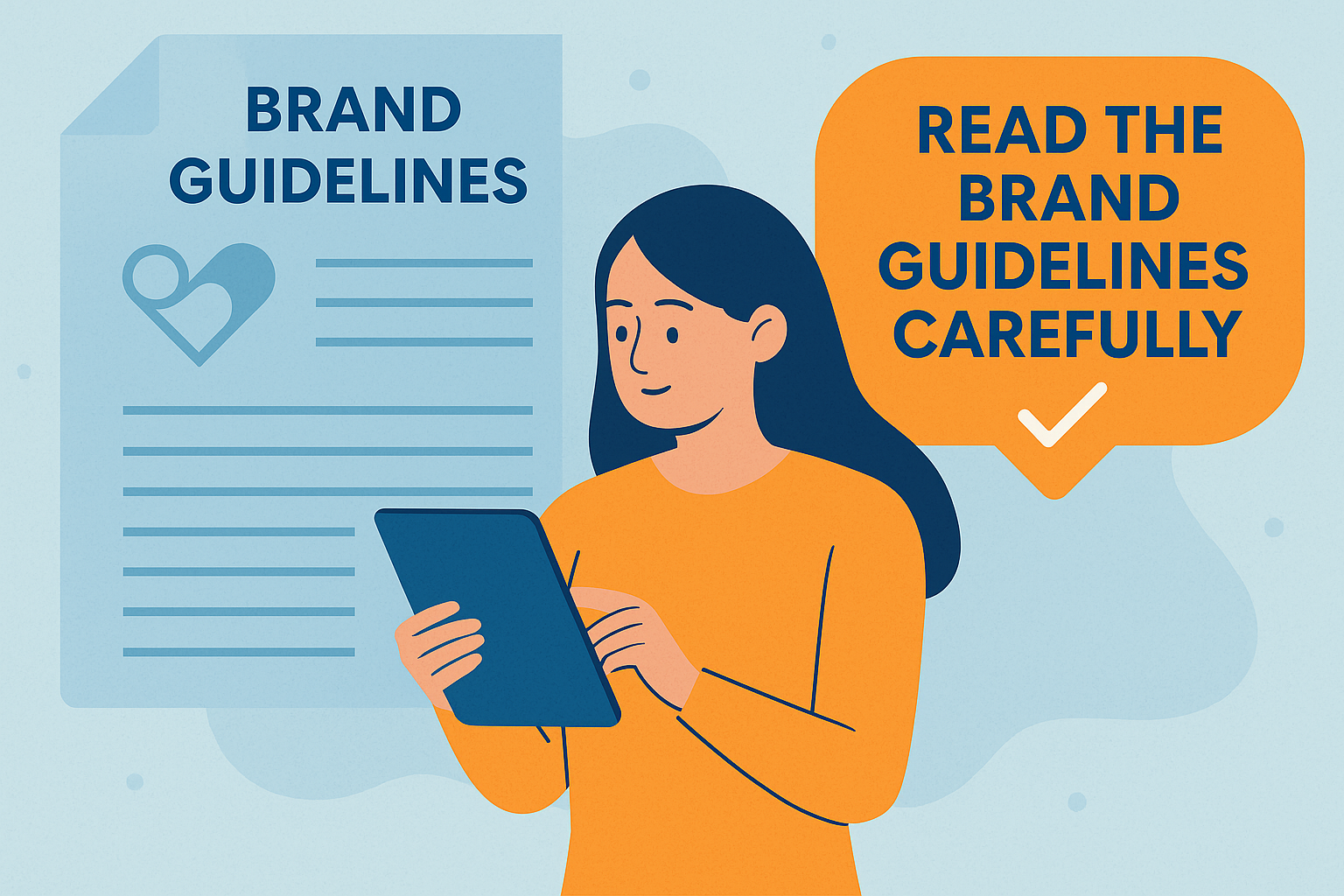
2. Read the Brand Guidelines Carefully

Ask the brand to share detailed guidelines and if possible, request a sample video for reference. This ensures you're aligned with their expectations, brand tone, and content quality. Overlooking the brief often results in more revisions and delays.
3. Create Content in the Right Aspect Ratio

Whether it’s a Reel (9:16), a YouTube video (16:9), or a carousel (1:1), always use the correct platform-specific aspect ratio. Poor formatting leads to a drop in engagement and looks unprofessional.
4. Keep Your Surroundings Tidy & Well-Lit
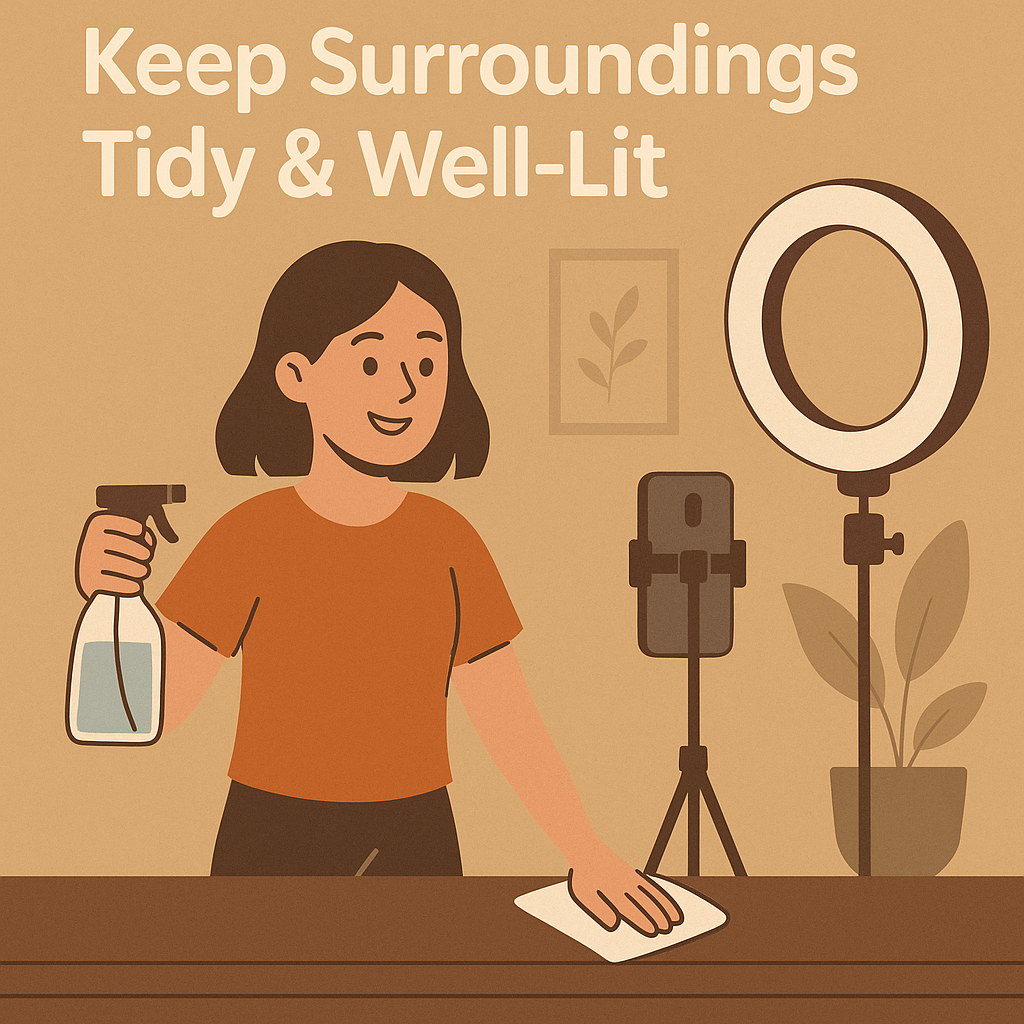
Nothing beats content that’s well-shot in a clean, clutter-free background with natural or soft lighting. It enhances the product’s appeal and helps the viewer focus on your message.
5. Stay Authentic to Your Audience
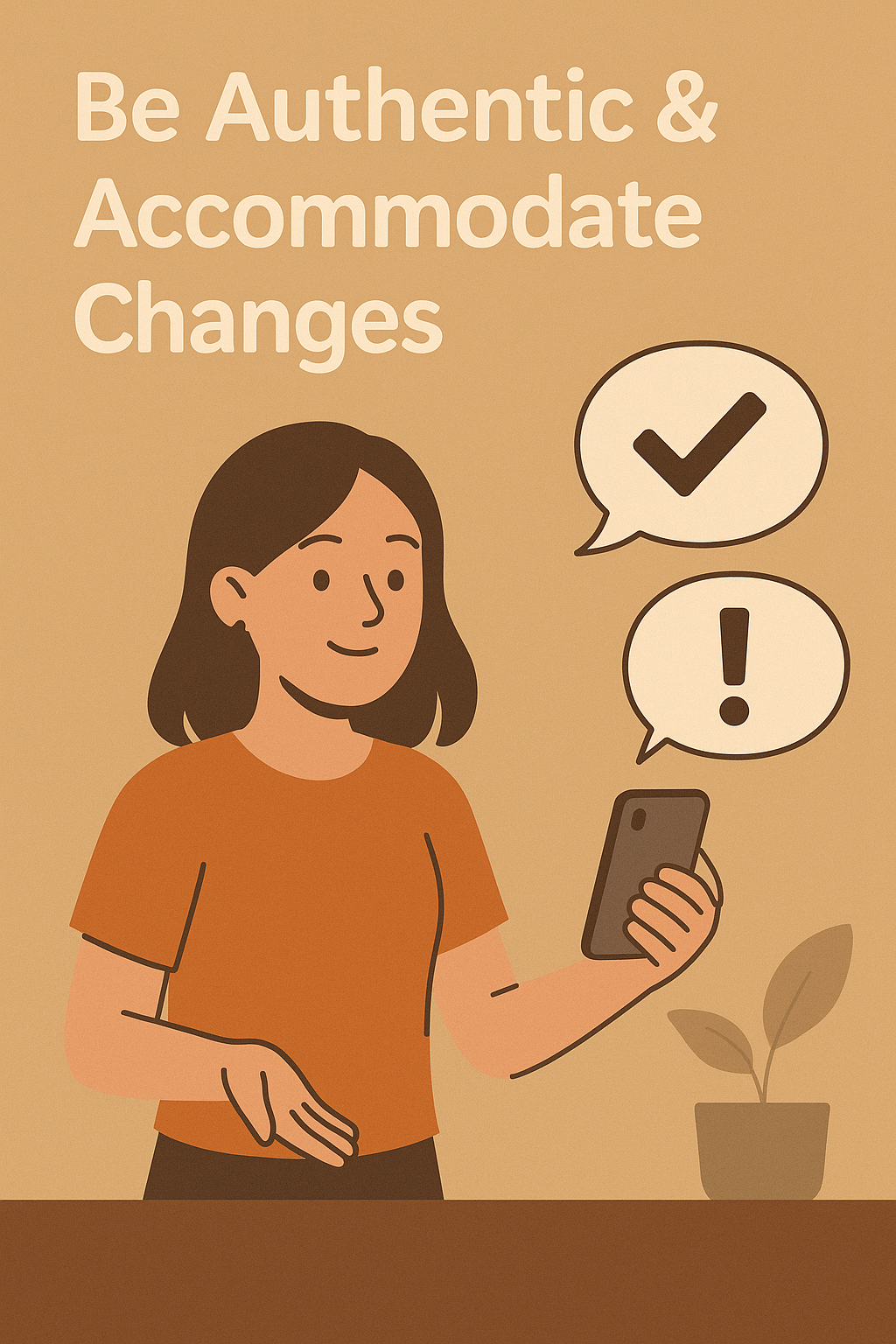
Your audience follows you for your unique voice. Stay true to it—even when collaborating with brands. However, if the brand suggests changes, accommodate them transparently and explain how it might affect authenticity.
6. Acknowledge Receipt and Deliver on Time
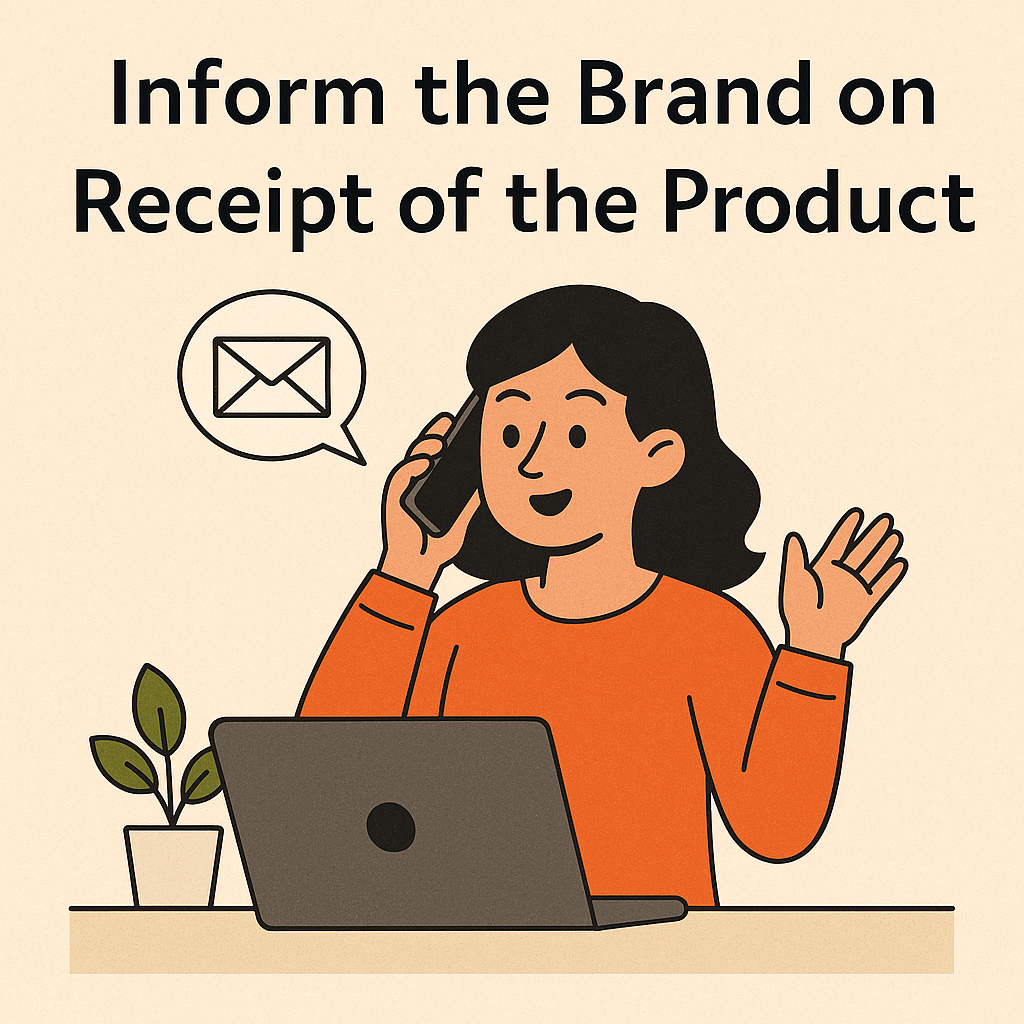
Inform the brand the moment you receive the product and try to stick to the agreed timelines. Delays without communication impact your credibility and may affect future collaborations.
7. Set Payment Terms in Advance
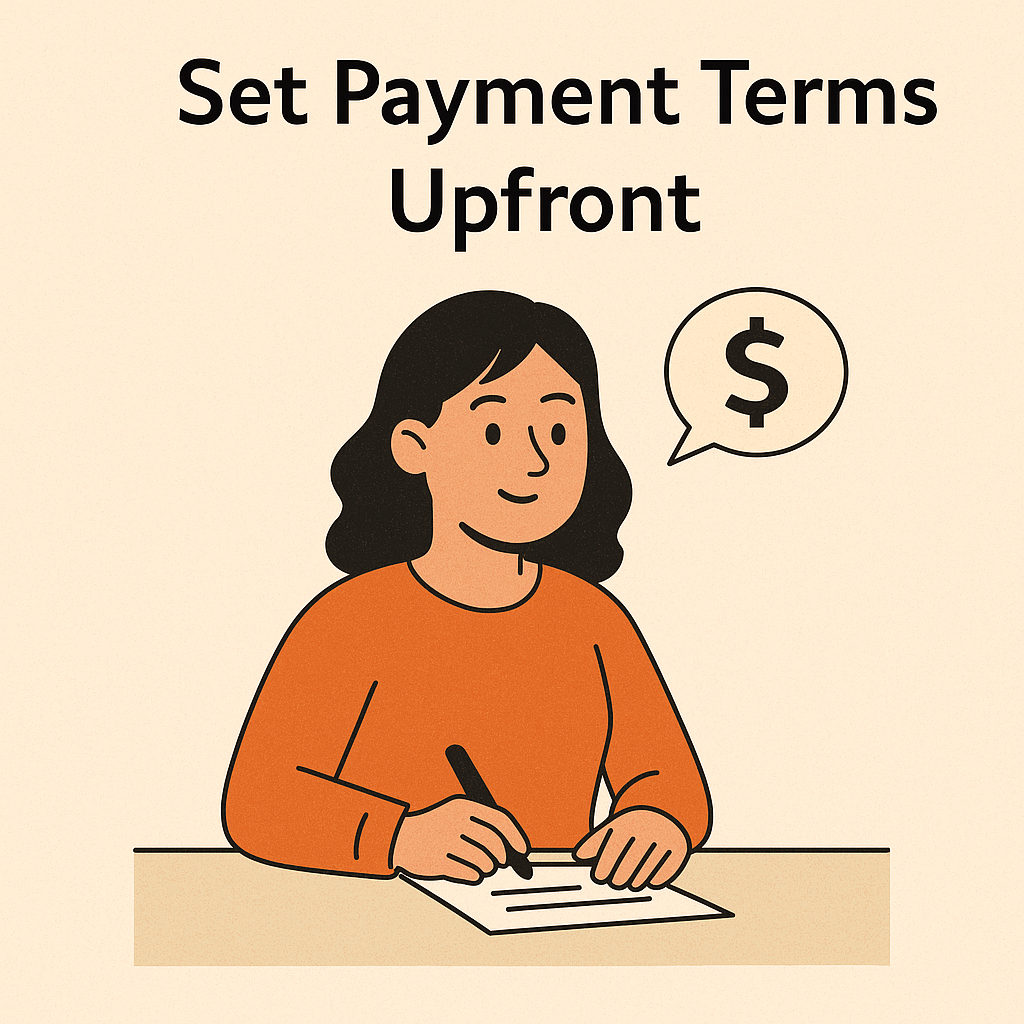
Before starting the project, clearly agree on payment terms—advance, post-delivery, or milestone-based. This prevents confusion and protects both parties.
8. Always Get Approvals Before Posting

Confirm the following with the brand before going live: final content, caption & script, hashtags, and posting timeline. Skipping this step may result in the brand asking you to take down the post or redo it.
9. Share a Script Before Filming

A good practice is to share a short script or storyboard with the brand. This reduces back-and-forth post-production and ensures everyone is on the same page.
10. Great Editing = Great Content

Don’t underestimate the power of crisp editing. Good pacing, clear voiceovers, smooth transitions, and branding visibility can make or break a video.
11. Stick to Comfortable Languages & Accents
Avoid creating content in languages you're not fluent in. If you have a strong accent, inform the brand beforehand to manage expectations.
12. Ask for Creative Freedom (Where Applicable)
While following brand guidelines is important, creators should also ask how much creative flexibility they’re allowed. A balance between brand messaging and creator authenticity leads to more engaging, believable content.
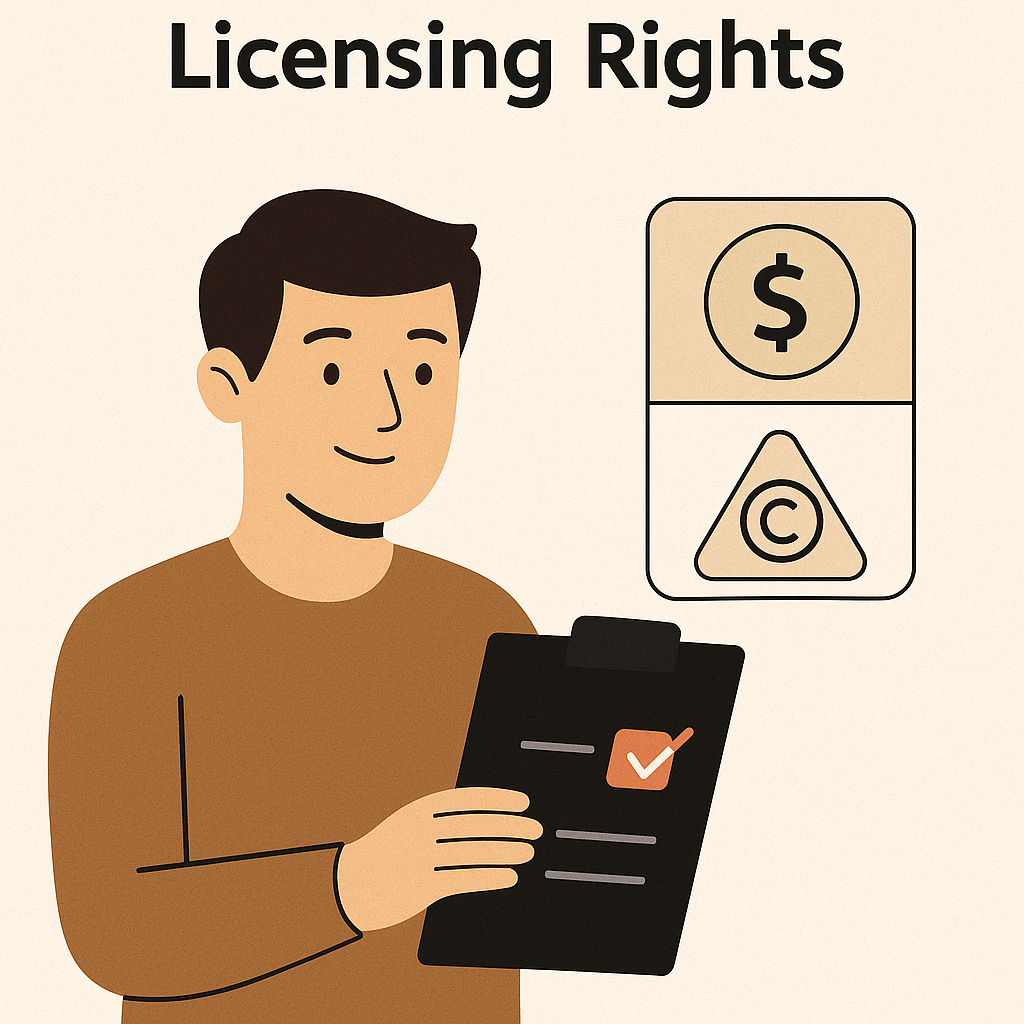
13. Clarify Usage & Licensing Rights
![]()
Many creators overlook this: Will the brand boost your content as an ad? Will they reuse it across platforms or in print? Ask for clarity on duration, type of usage, and whether your name or face will be used in ads.
14. Discuss Exclusivity Clauses
Some brands may expect exclusivity (e.g., don’t promote other skincare brands for 30 days). This affects your future deals, so it’s important to ask if exclusivity applies and negotiate timeframes and compensation accordingly.
15. Disclose Sponsored Content Transparently
Influencers must use clear #Ad, #Sponsored, or Paid Partnership tags. Avoid misleading the audience by hiding affiliations. This is also a requirement under advertising laws in many countries including India.
16. Share Post Insights After Publishing
Once the post goes live, it's a professional gesture to share engagement metrics, story screenshots, and relevant feedback from followers. This helps brands measure ROI and boosts your reputation for future partnerships.